
8282 POLICY SUMMARY
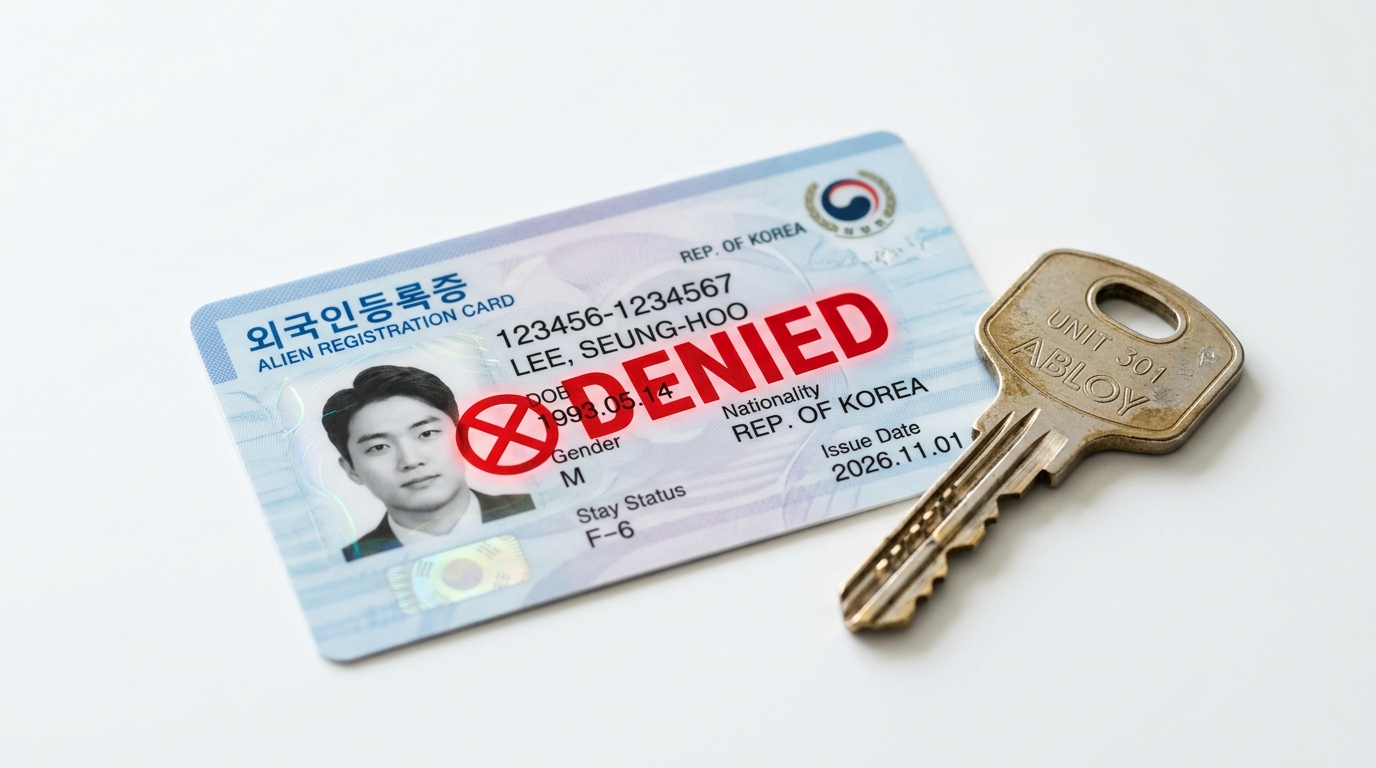
- Summary: Starting June 1, 2026, the government's HUG (Housing & Urban Guarantee Corp) will STOP issuing jeonse deposit return guarantees for foreign nationals on contracts valued under ₩300 million.
- Who is Affected: Primarily non-permanent resident visa holders (E-7, D-2, D-10, etc.). If you're not an F-visa holder and your jeonse is under ₩300M, this is for you.
- Action Required: If your contract renews after June 2026, you must find alternative insurance (like SGI), renegotiate your lease, or consider switching to monthly rent (wolse). Your deposit is no longer automatically protected by the most popular option.
What Just Happened?
Alright team, let's get straight to it. The Ministry of Land, Infrastructure and Transport (MOLIT) just dropped a bombshell policy update. They've announced that HUG, the state-run company that basically insured our jeonse deposits against shady landlords, is pulling the plug for a huge portion of the foreign community.
The official reason? They're citing a rise in jeonse deposit defaults specifically linked to foreign tenants. They claim this move is to protect the stability of the guarantee fund. I say it's a major blow to our housing security, and we're the ones left carrying the risk.
Bottom line: The easiest, most accessible safety net for your massive jeonse deposit is disappearing. This means if your landlord goes bankrupt or just decides to run off with your money, getting it back will be a nightmare without that HUG guarantee.

Who is Actually Affected?
This isn't a blanket ban, it's targeted. And that's what makes it so frustrating. Let's break down who needs to be paying close attention.
- 🎯 THE MAIN TARGET - YOU, PROBABLY: If you are on a work visa (like E-2, E-7), a student visa (D-2), a job-seeker visa (D-10), or pretty much any non-permanent resident visa, this affects you directly. The ₩300 million ceiling covers the vast majority of apartments and villas that expats rent in and around Seoul.
- ✅ LIKELY SAFE (FOR NOW): Permanent Residents (F-5) and long-term residents with F-2 or F-6 visas. Historically, you're treated the same as Korean nationals for most financial products. However, I'd still double-check the fine print when you renew, just in case.
- 🤷♂️ THE GREY AREA: Overseas Koreans (F-4 visa). The rules for F-4s can be tricky. My advice is to assume you are affected until you get written confirmation from HUG or your bank that you are exempt.
Here's the kicker: The government knows that the under ₩300 million bracket is the sweet spot for most of us. This move effectively pushes us out of the jeonse market or forces us to take on massive financial risk.

Jin's "8282" Step-by-Step Action Plan
Don't panic, but we need to be smart and act fast. Here’s your game plan if your contract is renewing after June 1, 2026.
- Check Your Calendar NOW: What is the exact end date of your current jeonse contract? If it's anytime after June 2026, you need to start planning your next move today. Don't wait until the month before.
- Research Your Plan B - SGI: HUG is out, but SGI Seoul Guarantee Insurance is still an option. BE WARNED: SGI has different and often stricter requirements. They will scrutinize your income, visa type, and contract details more heavily. Start looking into their requirements immediately to see if you even qualify.
- Open a Dialogue with Your Landlord: Your landlord might not even know about this change. You can approach them with a few options:
a) Ask if they are willing to lower the deposit and switch to a partial monthly rent (ban-jeonse). This lowers your risk.
b) See if they have their own landlord-side insurance that protects the property and finances (though this doesn't protect you directly, a responsible landlord is a good sign). - Run the Numbers on Wolse: I know, we all love jeonse because it feels like 'free' housing. But is it worth the risk of losing ₩200 million? Calculate the cost of a 2-year wolse (monthly rent) contract versus the potential loss of your entire deposit. Peace of mind has a price.
Hidden Traps & Insider Tips
The government press release won't tell you this stuff, but I will.
- The New "Foreigner Discount" is a Red Flag: If a landlord is suddenly eager to give you a jeonse contract without asking for insurance after this date, RUN. They are likely over-leveraged (a "kkangtong" jeonse) and see you as an easy, unprotected target.
- Landlord Reluctance is Coming: Conversely, many good landlords will now be hesitant to sign jeonse contracts with foreigners. To them, a HUG-guaranteed tenant was a zero-risk deal. Expect to face more scrutiny and potential rejections. Have your financial documents in perfect order.
- Bank Loans Will Get Tougher: If you use a bank loan for your jeonse, the bank *requires* you to have HUG or SGI insurance. If you can't get either, you won't get the loan. Simple as that. This could be the biggest hurdle for many.
Final Verdict & Key Dates to Remember
Look, I'm not going to sugarcoat it. This is a bad policy that disproportionately hurts the foreign community. It removes a critical layer of financial protection and makes our lives here more precarious. We're being treated as higher risk, and the solution is to remove our safety net entirely.
We need to be more diligent, more prepared, and more skeptical than ever when signing a lease.
- 🚨 KEY DATE: June 1, 2026. All new and renewed jeonse contracts for foreigners under ₩300M will be ineligible for HUG guarantees from this day forward.
- 🗓️ YOUR PERSONAL DEADLINE: 6 months before your current lease expires. This is when you need to have your new housing plan finalized.
Stay safe, protect your money, and keep fighting for your place here. I'll keep you updated as I learn more.


0 Comments