
Planning your first trip to South Korea? Packing for Korea is not as simple as throwing a few T-shirts into a suitcase. Korea has four very different seasons, and each one can completely change what you need to wear, carry, and prepare before you arrive.
Spring can be beautiful but dusty. Summer is hot, humid, and rainy. Autumn is comfortable and stylish. Winter can be seriously cold, especially if you are not used to freezing wind. The right packing list can make the difference between enjoying Seoul, Busan, Jeju, or Gyeongju comfortably and spending your trip wishing you had brought better clothes.
This guide gives you a practical South Korea packing checklist for 2026, including seasonal clothing, travel apps, transportation items, weather tips, and small things that can make your first few days in Korea much smoother.
Before Clothes: What to Prepare Before Landing in Korea
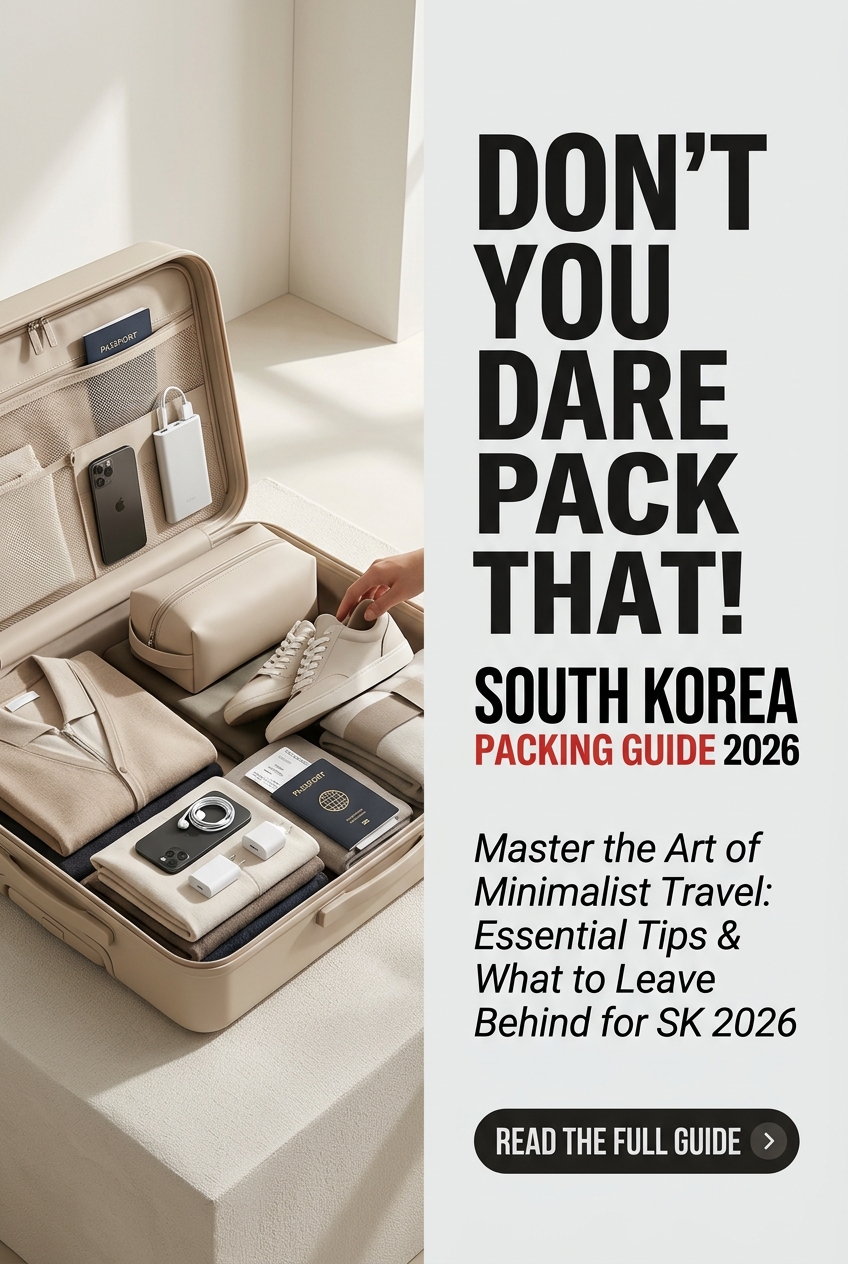
Before thinking about jackets, shoes, or outfits, start with the essentials you will need as soon as you land at Incheon International Airport. These items will help you move around Korea, find your hotel, translate signs, and use public transportation with less stress.
1. Prepare Your Phone for Korea
Your smartphone will be one of your most important travel tools in Korea. From subway routes to restaurant menus, you will probably use your phone many times a day.
- eSIM or SIM card: Public Wi-Fi exists in Korea, but it is not something you should fully rely on. Consider buying a Korean eSIM or SIM card before your trip or at the airport. Major providers such as KT, SK Telecom, and LG U+ offer tourist SIM and roaming products, but prices and plans may change, so check before you travel.
- Naver Map: Google Maps may not always provide the most reliable walking, transit, or local search results in Korea. Naver Map is one of the most useful navigation apps for foreign travelers.
- Papago: Papago is especially helpful for Korean-English translation. You can use it for menus, signs, short conversations, and image translation.
- Portable charger: Navigation, translation, photos, and messaging can drain your battery quickly. A compact power bank is highly recommended.
2. Prepare a Simple Arrival Kit
After immigration and baggage claim, you will want to get moving quickly. These items can make your first day easier.
- T-money card: A rechargeable transportation card used for subways, buses, some taxis, and convenience stores. You can usually buy one at airport convenience stores or subway stations.
- Small amount of Korean cash: Korea is very card-friendly, but cash is still useful for charging transportation cards, small markets, or older local shops.
- Hotel address in Korean: Save your hotel name and address in Korean on your phone. This helps when using taxis or asking for directions.
- Airport transfer plan: From Incheon Airport, you can use AREX, airport limousine buses, taxis, or private transfers depending on your hotel location and luggage size.
South Korea Packing Guide by Season
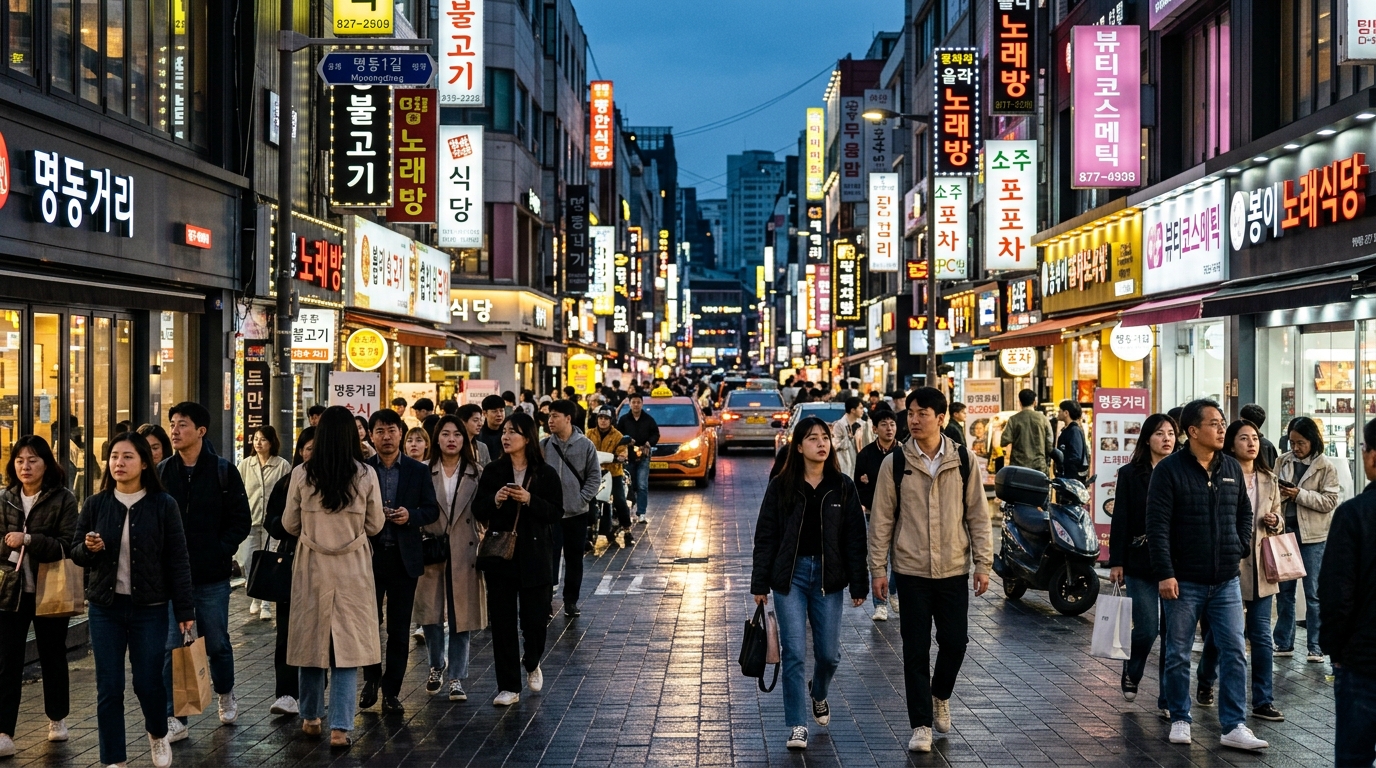
Korea’s weather can change dramatically depending on the month. A packing list that works perfectly in October may be completely wrong in January or August. Here is what to pack for each season.
Spring in Korea: March to May
Spring is one of the most popular seasons to visit South Korea. Cherry blossoms usually bloom between late March and early April depending on the region and weather. However, early spring can still feel cold, especially in the morning and evening.
Another important thing to know is yellow dust, known as hwangsa. Fine dust and yellow dust levels can become high on certain days, so it is smart to check the air quality forecast during your trip.
What to Pack for Spring
- Light jacket or trench coat: A stylish spring jacket works well for most daytime activities.
- Cardigan or light sweater: Useful for cooler mornings, evenings, and air-conditioned spaces.
- Long-sleeve shirts and T-shirts: Layering is the key to spring travel in Korea.
- Comfortable sneakers: You will walk a lot in Seoul, Busan, and other major cities. Choose shoes that are already broken in.
- Jeans or smart trousers: Easy to match with different outfits and suitable for most casual travel situations.
- KF94 mask: Helpful on bad air quality days, especially during yellow dust season.
- Small umbrella: Spring showers can happen, so a compact umbrella is useful.
Spring Packing Tip
Do not pack only thin clothes just because it is spring. March can still feel like winter, especially if you are visiting at night or traveling outside Seoul.
Summer in Korea: June to August
Summer in Korea is hot, humid, and often rainy. The rainy season, called jangma, usually occurs between late June and July, although exact timing can change each year. August is often the hottest and most humid month.
If you are visiting Korea in summer, your goal is simple: stay cool, dry, and comfortable.
What to Pack for Summer
- Breathable clothes: Linen, light cotton, and moisture-wicking fabrics are better than heavy or tight materials.
- Loose-fitting tops and bottoms: Wide-leg pants, light dresses, loose shirts, and relaxed shorts are practical choices.
- Portable fan: Many people in Korea use small handheld fans during summer. You can also buy one after arrival.
- Compact umbrella: Useful for both rain and strong sunlight.
- Waterproof sandals or quick-dry shoes: Sudden heavy rain can soak your shoes quickly.
- Sunscreen: Bring SPF 50+ if your skin is sensitive. You can also buy many sunscreen products at Olive Young or convenience stores.
- Hat or sunglasses: Helpful for daytime sightseeing.
- Extra T-shirts: You may want to change clothes during the day because of humidity.
What Not to Pack for Summer
Avoid heavy denim, thick hoodies, and clothes that do not dry easily. They can feel uncomfortable in Korea’s humid summer weather.
Autumn in Korea: September to November
Autumn is one of the best seasons to visit South Korea. The weather is usually cooler, drier, and more comfortable than summer. Fall foliage is especially beautiful in parks, palaces, mountains, and temple areas.
September can still feel warm, but October and November become cooler, especially in the evening.
What to Pack for Autumn
- Light jacket: A denim jacket, bomber jacket, leather jacket, or casual blazer works well.
- Sweaters or knitwear: Great for October and November.
- Long pants or jeans: Comfortable for walking and easy to style.
- Ankle boots or comfortable sneakers: Choose footwear that works for both sightseeing and casual dining.
- Scarf: Useful for cooler evenings and early mornings.
- Reusable water bottle: Autumn air can be dry, especially if you are hiking or walking a lot.
Autumn Packing Tip
If you plan to hike in places like Bukhansan, Seoraksan, or Namsan, bring comfortable shoes with grip. Some trails can be steep or slippery with fallen leaves.
Winter in Korea: December to February
Korean winter can be beautiful, but it can also be very cold. Temperatures often drop below freezing, and the wind can make it feel even colder. Seoul, Gangwon-do, and inland areas can feel especially harsh in winter.
If you are visiting Korea in winter, warm outerwear is not optional. It is the most important part of your packing list.
What to Pack for Winter
- Long padded coat: A long down or padded coat is one of the most practical winter items in Korea. Many locals wear long padding during the coldest months.
- Thermal base layers: Heat-tech style innerwear can make a big difference.
- Warm sweaters: Wool, fleece, or thick knitwear will help keep you warm.
- Fleece-lined pants or leggings: Especially useful for long outdoor days.
- Thick socks: Cold feet can ruin a winter travel day quickly.
- Beanie, scarf, and gloves: These are essential, not just accessories.
- Waterproof boots with grip: Sidewalks can become icy after snow or freezing rain.
- Hot packs: Disposable heating packs are sold at convenience stores and are very useful for outdoor sightseeing.
Winter Packing Tip
If you are from a warm country, do not underestimate Korea’s winter. A thin coat may not be enough, especially in January.
What to Wear for Korea’s Food and Cafe Culture
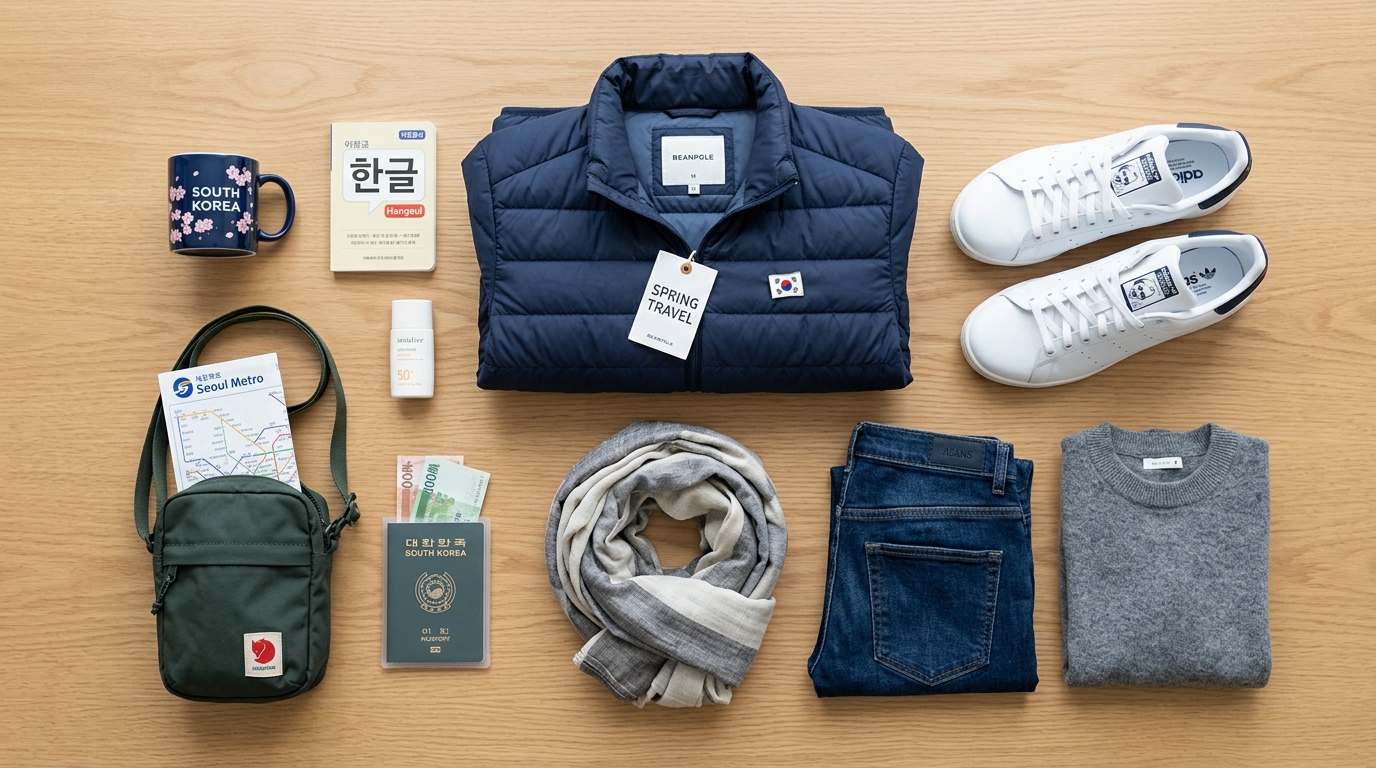
One of the best parts of traveling in Korea is eating. From Korean BBQ to trendy cafes and street food markets, your outfit can make the experience more comfortable.
For Korean BBQ
Korean BBQ is casual, fun, and smoky. Do not wear your most delicate white shirt. Choose a dark-colored top that you do not mind getting a little smoky.
A simple phrase you can use is:
Samgyeopsal i-inbun juseyo.
삼겹살 2인분 주세요.
Please give us two servings of pork belly.
For Cafe Hopping in Seongsu, Hongdae, or Yeonnam
Korean cafes are often very stylish, especially in areas like Seongsu-dong, Hongdae, Yeonnam-dong, and Hannam-dong. You do not need to dress formally, but a neat casual outfit will help you feel more comfortable.
Good choices include knitwear, wide-leg trousers, simple dresses, clean sneakers, or a light jacket depending on the season.
For Gwangjang Market or Street Food Areas
Comfort matters most. Wear shoes you can stand in for a long time and clothes that are easy to move in. You may be walking through crowds, standing while eating, or sitting at small market stalls.
Try foods like bindaetteok, mayak gimbap, tteokbokki, and hotteok depending on the market and season.
For a Night Out in Gangnam or Apgujeong
If you plan to visit a cocktail bar, fine dining restaurant, or trendy lounge, pack at least one smart-casual outfit. A blazer, neat trousers, dress, or stylish top can be useful.
Extra Items That Are Easy to Forget
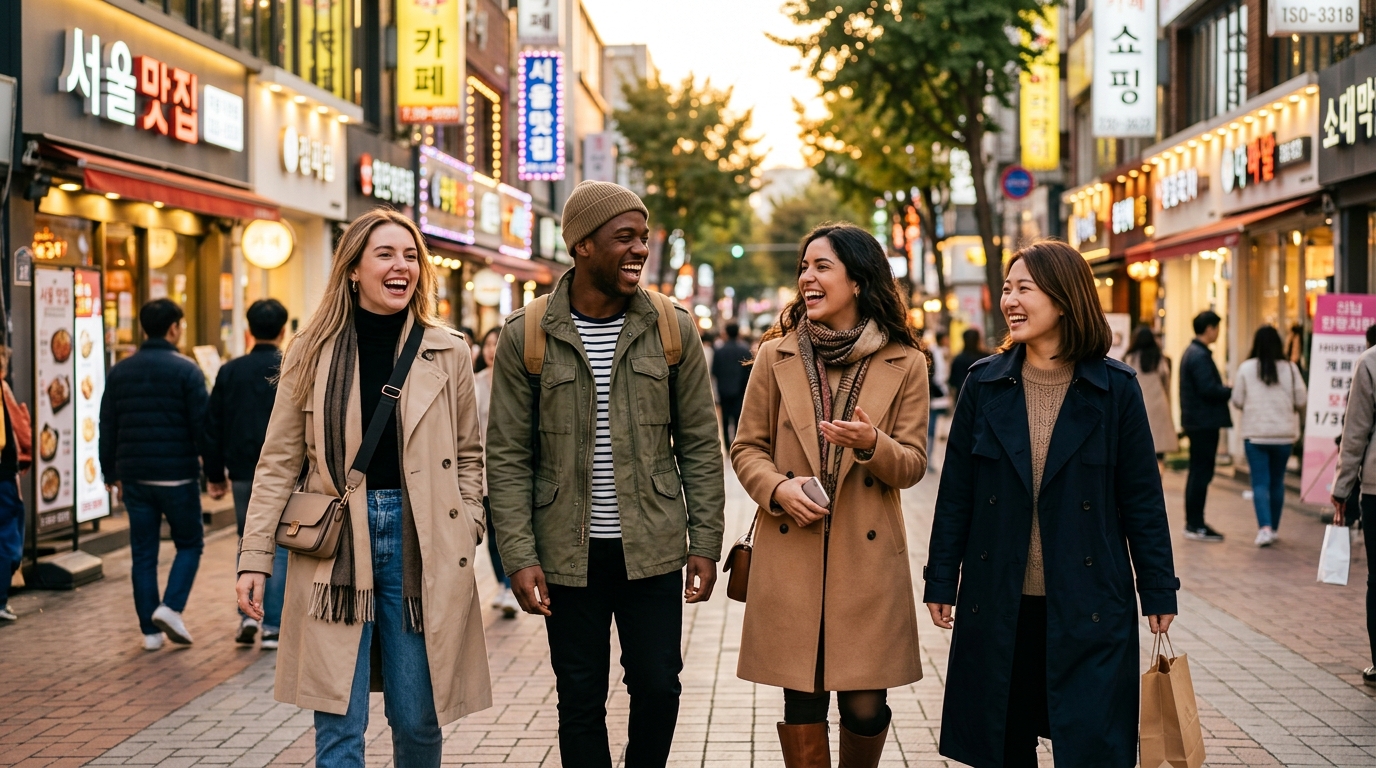
These small items may not seem important, but they can make your Korea trip much easier.
- Universal travel adapter: Korea uses 220V and plug types C and F.
- Power bank: Essential for full-day sightseeing.
- Small medicine kit: Bring basic medicine you already know works for you.
- Reusable shopping bag: Useful for convenience stores, shopping, and markets.
- Coin pouch or small wallet: Helpful for transportation cards, coins, and receipts.
- Laundry bag: Especially useful in summer or for longer trips.
- Comfortable day bag: A small backpack or crossbody bag is practical for daily travel.
- Copies of important documents: Keep digital and physical copies of your passport, travel insurance, and accommodation details.
What You Can Buy After Arriving in Korea
You do not need to pack everything. Korea has excellent convenience stores, pharmacies, beauty shops, and clothing stores. If you forget something basic, you can usually buy it after arrival.
- Umbrellas
- Hot packs
- Basic toiletries
- Sunscreen
- Face masks
- Portable fans
- Socks and basic clothing
- Phone chargers and cables
Stores like Olive Young, Daiso, convenience stores, and large shopping malls can help you fill in the gaps. However, if you need specific sizes, prescription medicine, or specialty products, it is better to bring them from home.
Useful Links for Korea Travel Preparation
Before your trip, check the latest information through official or widely used services. App availability, routes, prices, and services may change, so it is always best to confirm before departure.
Navigation and Translation Apps
- Naver Map: Download Naver Map for iOS | Download Naver Map for Android
- Papago: Download Papago for iOS | Download Papago for Android
- KORAIL Talk: KorailTalk on the App Store | KorailTalk on Google Play
Transportation and Connectivity
- AREX Airport Railroad: Check the official AREX website
- Korea tourism transportation information: Visit the official Korea tourism website
- LG U+ tourist SIM and roaming: LG U+ Korea SIM for travelers
- KT roaming and tourist SIM: Check KT roaming options
Shopping and Travel Convenience
- Olive Young Global: Browse Olive Young Global
- Tripeasy luggage service: Check Tripeasy luggage delivery service
- Air quality in Korea: Check Korea air quality on IQAir
Final Korea Packing Checklist
Here is a simple final checklist you can use before closing your suitcase.
- Passport and travel documents
- Travel insurance details
- eSIM, SIM card, or roaming plan
- Naver Map, Papago, and KORAIL Talk apps
- Power bank and charger
- Season-appropriate clothing
- Comfortable walking shoes
- Small umbrella
- Reusable bag
- Basic medicine
- Travel adapter
- Hotel address saved in Korean
Final Thoughts: Pack for the Season, Not Just the Destination
South Korea is an exciting country to explore, but the weather can strongly affect your travel experience. A good packing strategy helps you enjoy palace walks, night markets, cafes, mountain views, beaches, festivals, and street food without unnecessary discomfort.
The most important rule is simple: pack for the season. Bring layers in spring and autumn, breathable clothes in summer, and serious outerwear in winter. Prepare your phone, download the right apps, and keep your first-day essentials easy to reach.
If you are planning your first Korea trip, save this packing guide and check it again one week before departure. Your future self at Incheon Airport will be very thankful.
Related guides you may also like:


0 Comments